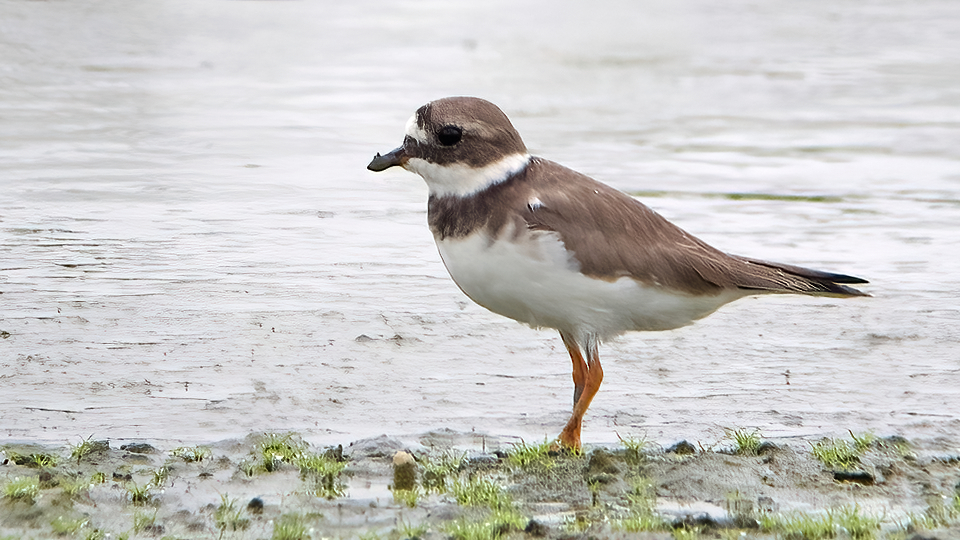
Tibetan Sand Plover
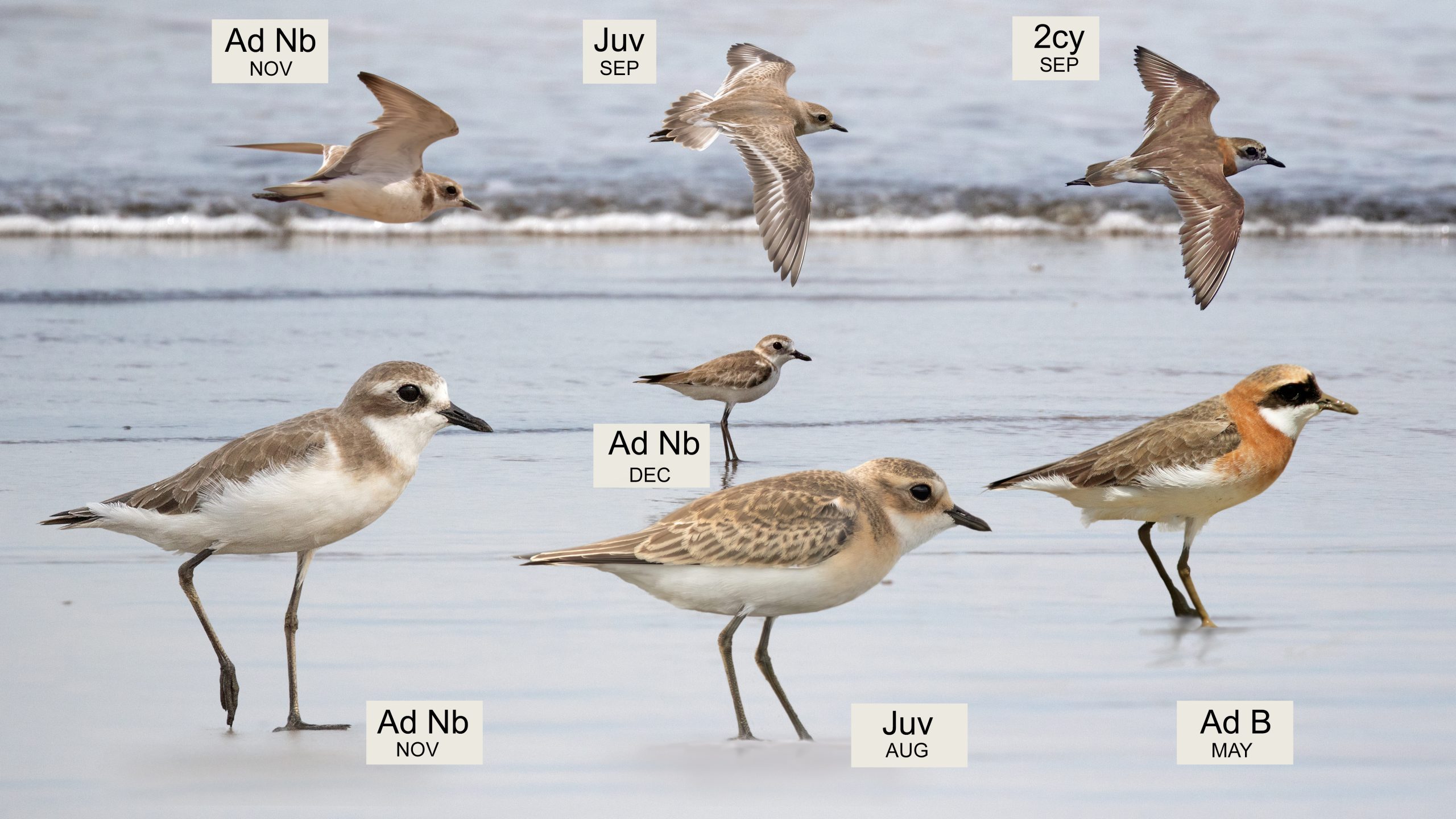
Click image to enlarge © Credits: Dave Bakewell
SCIENTIFIC NAME
Anarhynchus atrifrons
MALAY NAME
Rapang-Sisir Kecil Biasa
CONSERVATION STATUS
LC
Status
Abundant migrant and winter visitor, occurring in very large flocks at favoured sites. Coastal; most numerous on mudflats.
Identification
Larger and longer-legged than ‘white-collared’ plovers. In common with other sand plovers, lacks white nuchal collar (but beware worn-plumaged birds – see below). Well-proportioned, with rounded head and body and short, relatively blunt-tipped bill (culmen bulge on final third only). In flight, white wingbar above, axillaries, underwing and rump sides. Toes project beyond tail. Leg colour most commonly dark grey. Ad B: (Apr – Aug) Sand-brown above, rich orange or rufous nape, broad breast band and fore flanks, black ear coverts and forehead (♂︎ usually brighter orange and with blacker head markings than♀︎). In early autumn, adults commonly retain breeding colours. Ad Nb/Imm: Uniform sand-brown upperparts and head, with brown lateral breast patches; white supercilium, throat and forehead, which blends gradually into brown of crown. In worn plumage, may show whitish nuchal collar. Juv: (Aug – Oct) in fresh plumage, broad buff fringes to upperpart feathers, peach wash to breast. As these wear away, juvs resemble Ad Nb.
Similar Species
From Kentish and White-faced Plovers by lack of white collar (usually, but see above!) and longer legs. From very similar Siberian Sand-Plover by longer, sharper bill, longer legs and lack of brown flank feathers. From very similar Greater Sand-Plover by bill shape, smaller head and eye.
Typical behaviour
Forages singly (and defends feeding territory aggressively from congeners). Slow walk, peck, pause foraging action. Feeds most frequently on marine worms, which are pulled, with some effort, from the substrate. Also, small crabs and other invertebrates.
Vocalizations
Vocal in territorial conflicts and at roost, mostly single or trilled notes https://xeno-canto.org/779710 .
Range
Common in intertidal areas, particularly mudflats in both Peninsular and Bornean Malaysia. Present in flocks of several thousand at preferred sites.
Seasonality
Most frequently seen between August and May.